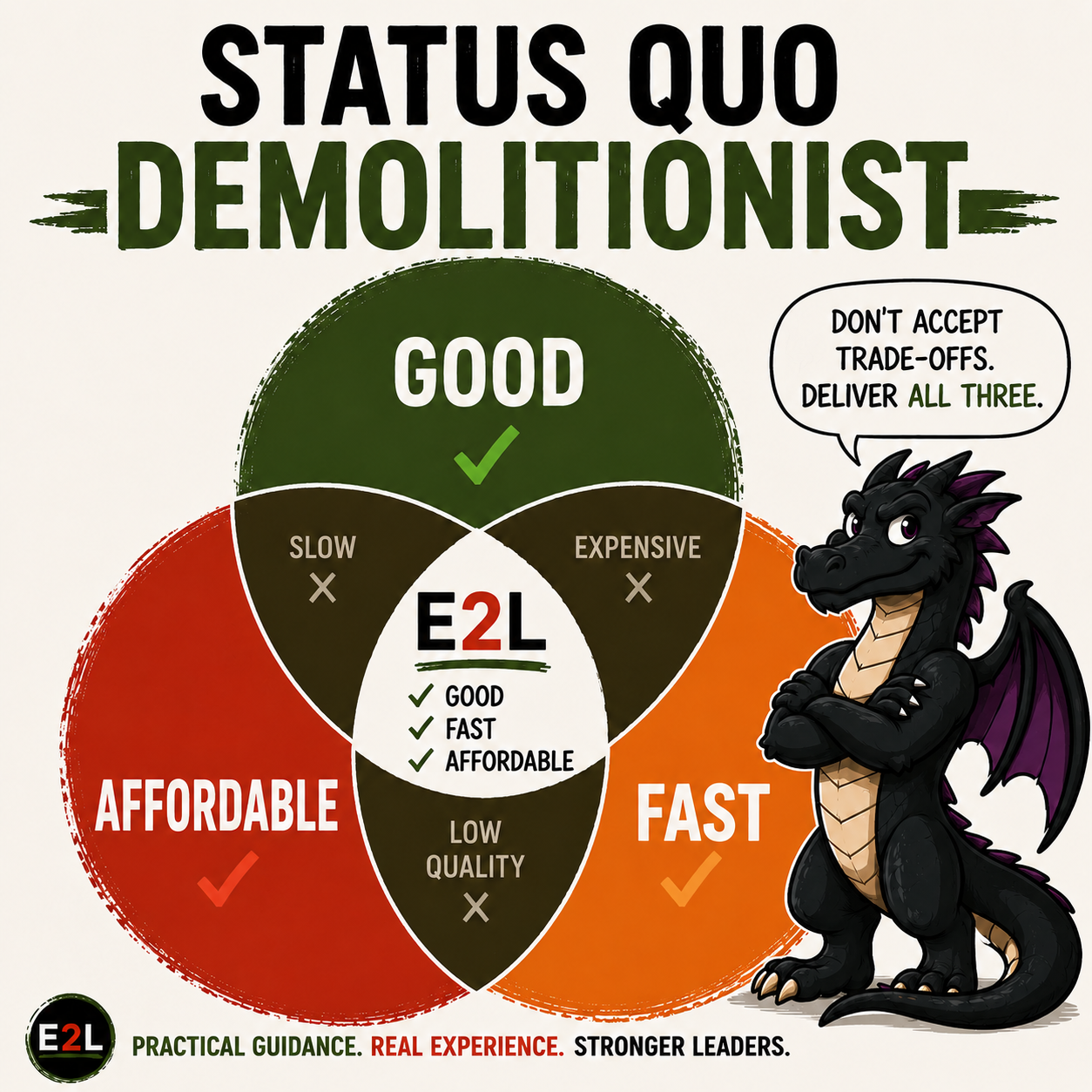
why did I start this
When I was making the transition into management, the advice available to me came in two flavours: generic enough to mean nothing, or expensive enough to be out of reach. My manager's guidance rarely went beyond well-worn phrases that sounded reasonable and changed nothing. Internal mentors had competing priorities, and being genuinely invested in my development wasn't always one of them. External coaching seemed excellent for the people whose organisations were paying for it. Engineered to Lead started because that gap was real, and I'd spent long enough watching good people struggle through it alone.

The full library is available in the online store
All guides are sold through my Etsy storefront rather than directly on this site. It's a deliberate choice: Etsy gives you secure, trusted, buyer-protected checkout, instant digital delivery straight to your inbox, and an established platform with built-in customer support if anything goes wrong with your download. You get the guide, only on a smoother and more secure path.
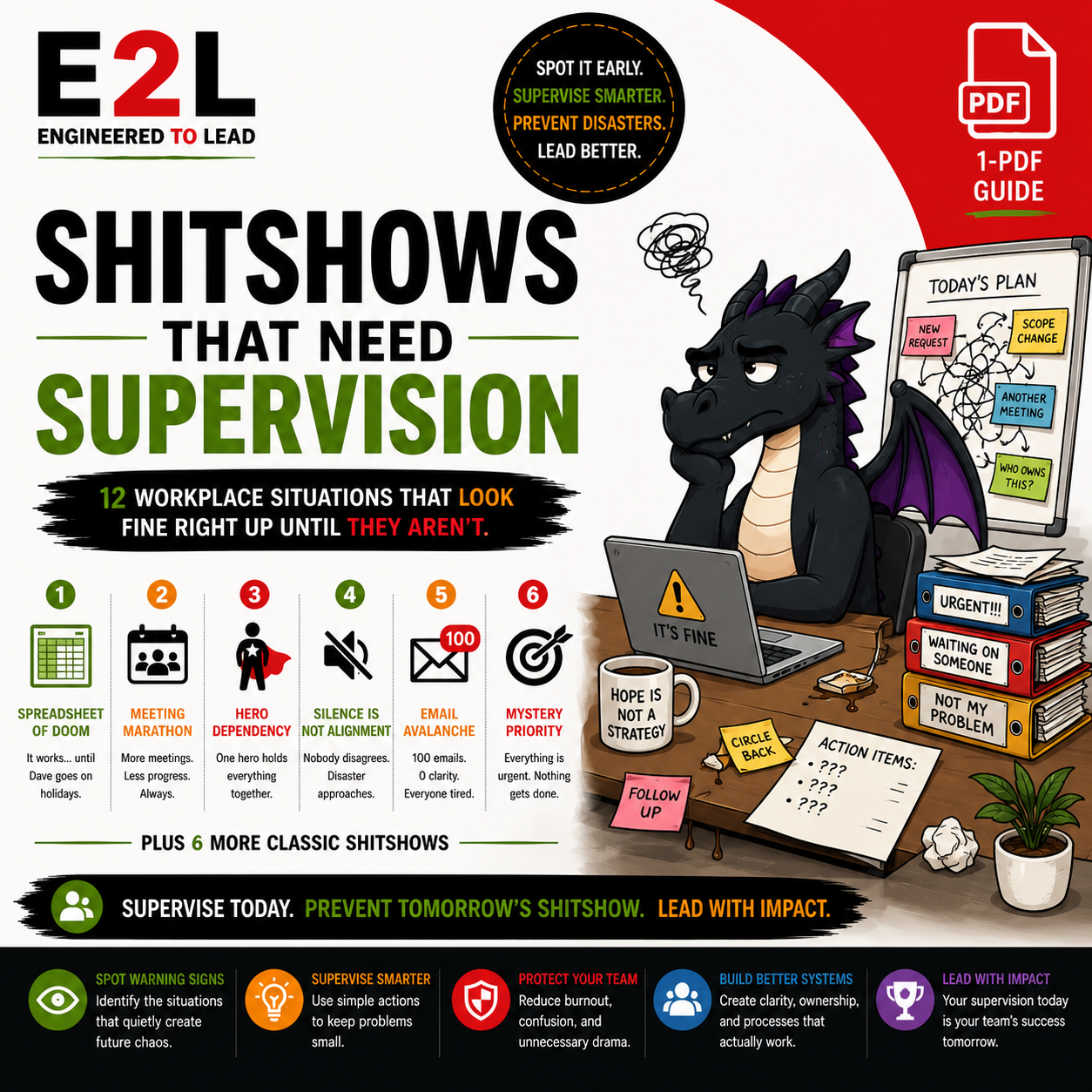
"Shitshows That Need Supervision" hits different
Most leadership content explains principles. This guide does something else. It puts a name on the chaos you're already living through.
Every chapter walks through a scenario that's instantly recognisable to anyone who has managed technical professionals: not a hypothetical, but the meeting, the missed handoff, or the "quick fix" that wasn't, that you've watched play out in real time. That recognition is the hook. People don't laugh because it's exaggerated, they laugh because it's accurate, and because nobody else is willing to say it that plainly.
It works as a credibility signal as much as a laugh. Generic leadership content tends to stay abstract because the author has never actually run the meeting that went sideways. This guide doesn't — every situation is grounded in operational reality, which is exactly why it lands before a single "framework" is mentioned.
And critically, it doesn't just diagnose, it shows what changes when a leader actually steps in. The humor gets you to read it. The structure underneath it is what gets you to think differently about your own meetings.
What's Inside
Twelve scenarios, each one a recognisable leadership disaster. the kind every manager has either caused or cleaned up after. Each scenario follows the same arc: what's actually happening, what gets said about it at the time, where it goes if nobody intervenes, and what changes when someone with the right instincts steps in. Closing out the guide is a short self-assessment so you can score how many of these are currently running unsupervised on your own team.
It's built to be read in one sitting and acted on the next day — no theory, no fluff, just twelve mirrors you'll probably recognise yourself in at least once.
Below are a few more.
Click on the images to find out what’s inside them.

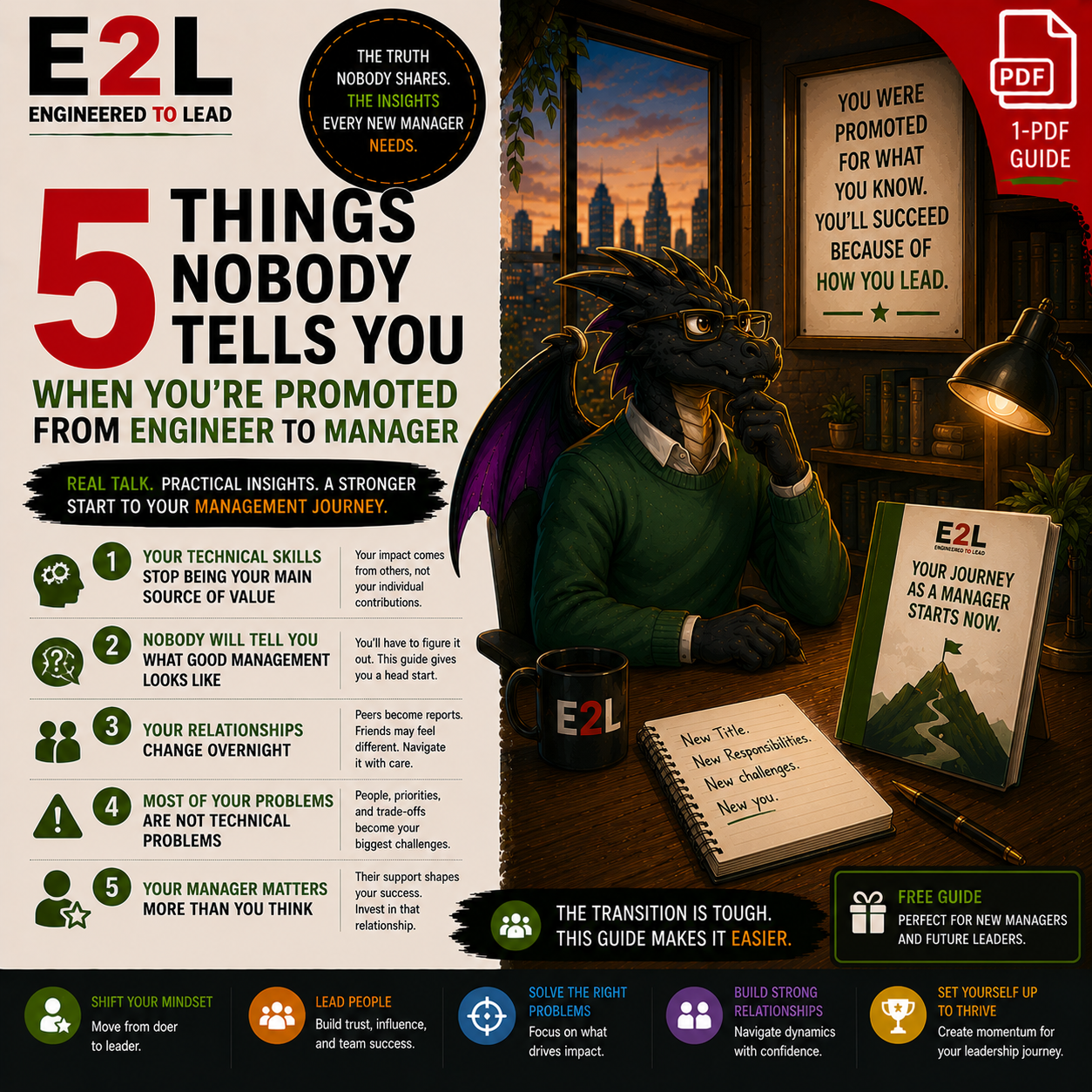


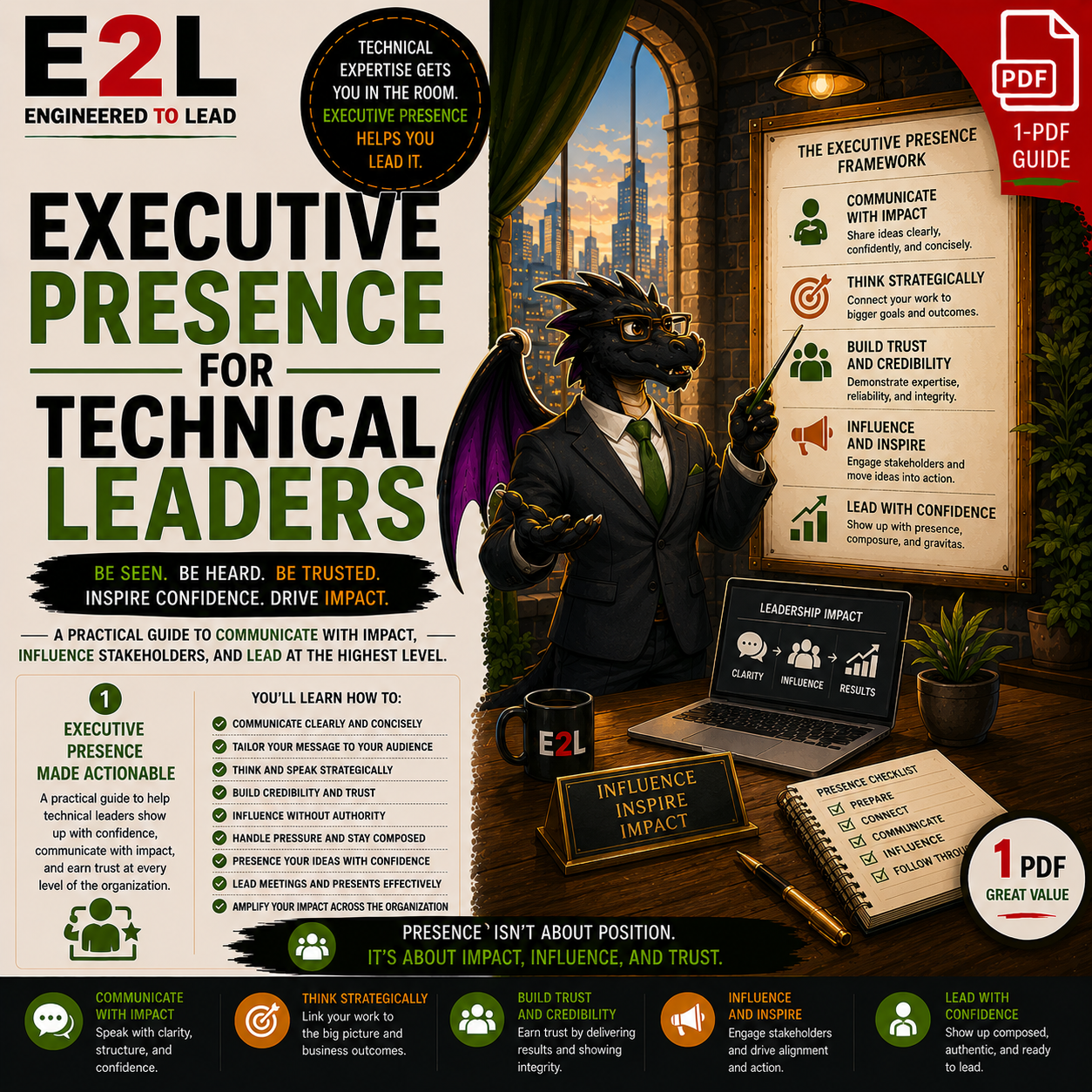
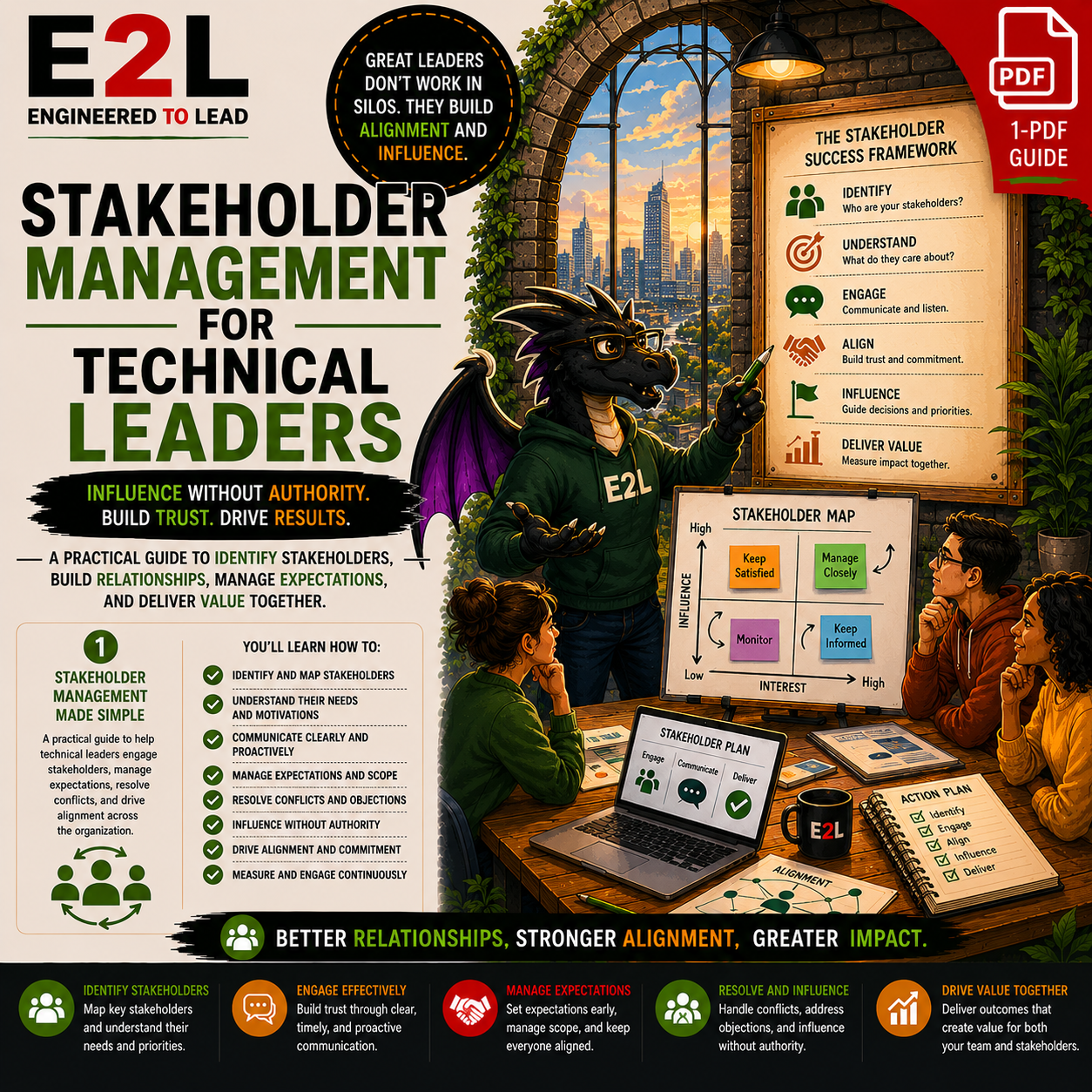
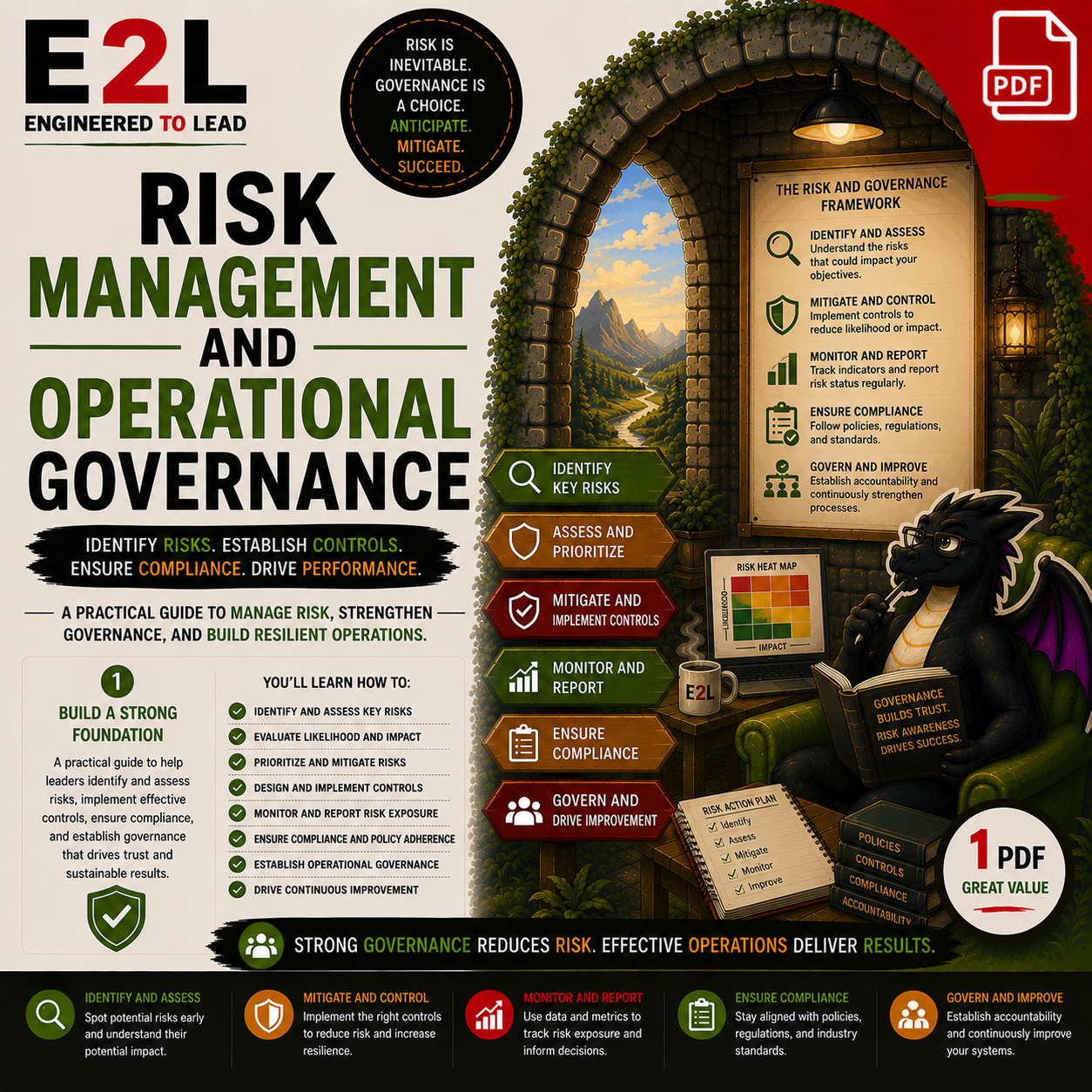
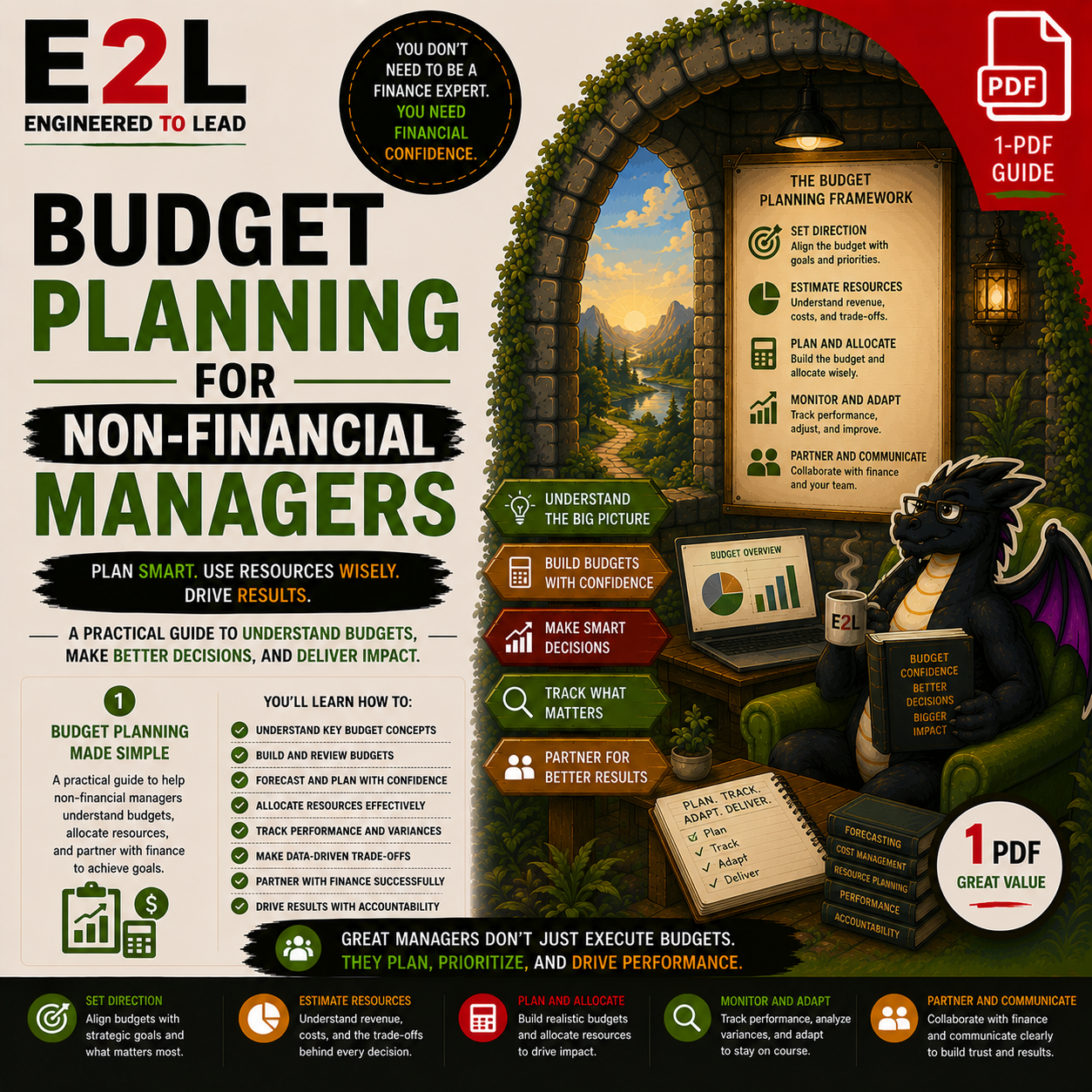
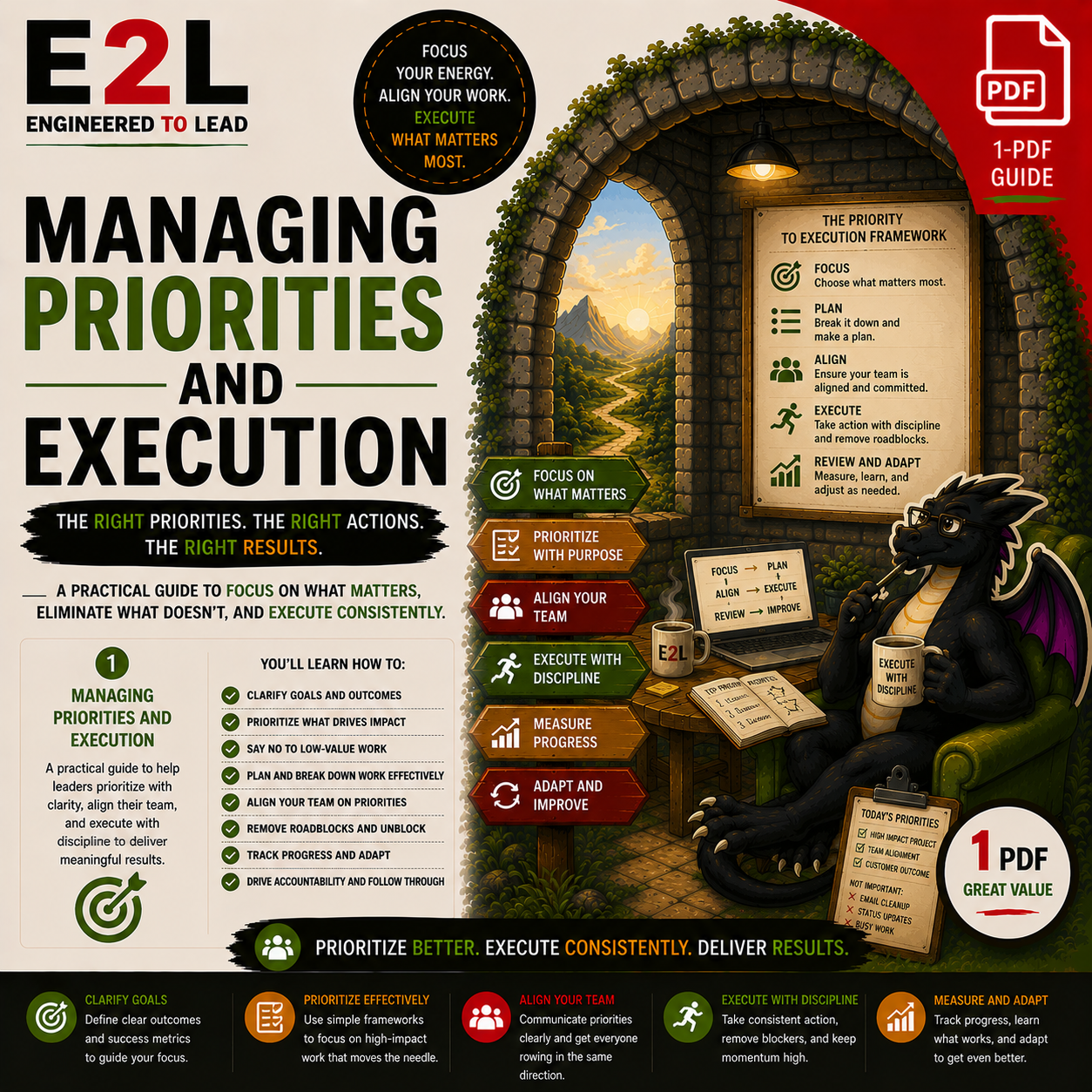
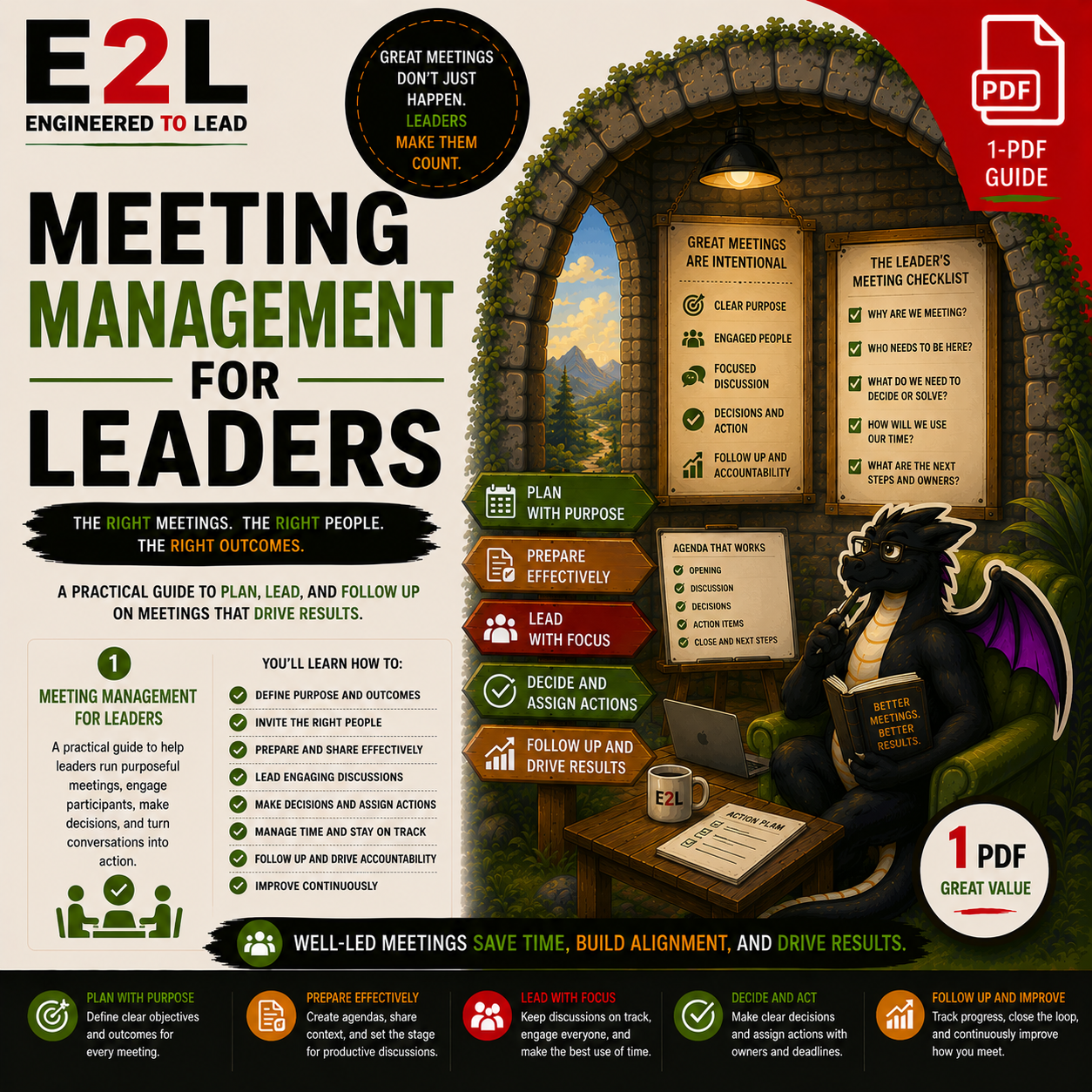
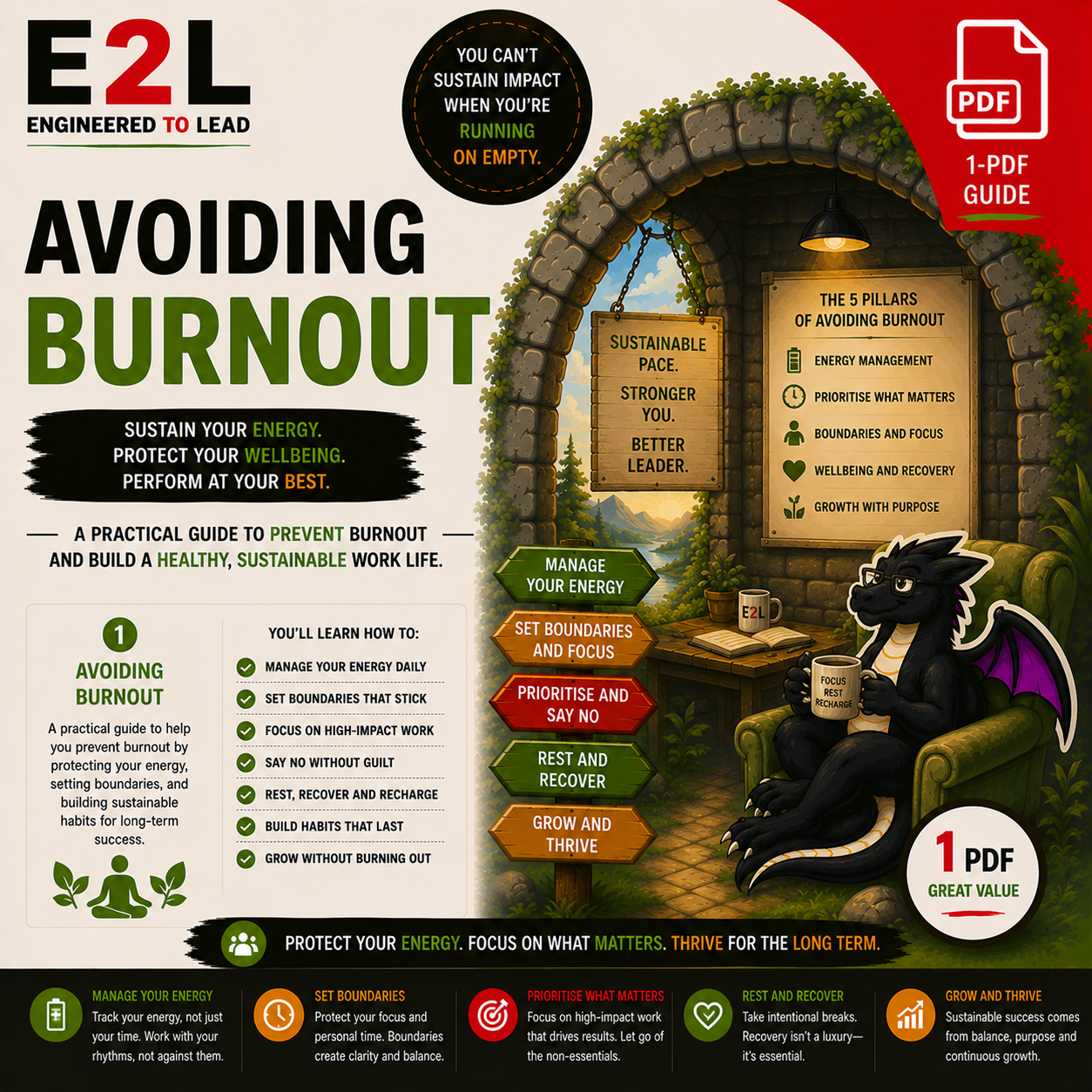

This is one of my favourites
It was a lot of fun researching and putting together.
(Releasing in early August)
Imagine a blueprint for the dark behaviour of the office. Would you use it?
THE DARK ART OF MANAGEMENT: A Field Manual for Surviving and Winning Organisational Power Struggles
Most leadership books won't show it to you. They'll teach you communication, delegation, conflict resolution — the official version of management, the one printed in the induction pack. Meanwhile, the person two desks away is reading the room, building the alliance, and taking the credit for your work, and nobody sold them a framework for it. They just noticed the game was being played and decided to play it.
Here is the premise this guide starts from, and doesn't apologise for: the workplace is not a meritocracy. It is a political system. Power exists inside every organisation whether you acknowledge it or not. The only question is whether you understand the rules — or become someone else's resource.
This is not another guide about becoming a better communicator. It is a field manual: part The Prince, part military doctrine, part psychological survival guide, built for the manager who has figured out that competence alone was never going to be enough.
WHAT'S INSIDE
Five books. Eighteen chapters. Fifteen laws.
Book I — The Reality of Power. Why merit doesn't guarantee influence, why every organisation runs a hidden government alongside the official one, and why you are being judged on far more than your work.
Book II — Acquiring Power. How to refuse accountability you were never given the authority to carry, how to spend your first ninety days, how to control information without becoming the person who hoards it, and how to become indispensable without becoming trapped.
Book III — Ruling Your People. Whether it is better to be loved or feared, why recognition and correction should never share a room, and how to read what every person around you actually wants.
Book IV — War Against Rivals. Seven threat profiles — the Competitor, the Saboteur, the Political Operator and others — how to recognise each one, and how to neutralise them without starting a war you can't finish.
Book V — Defending the Throne. How to manage upward so your boss never has to absorb a surprise, how reputation actually compounds, what to keep private even when transparency is in fashion, and when the smartest move is a clean, deliberate retreat.
Plus: The Laws of Managerial Power — fifteen doctrines built for the moment you don't have time to re-read a chapter.
WHO IT'S FOR
Engineers and technical professionals who have made the jump into management and discovered, usually the hard way, that the org chart lied to them a little. For the manager who has watched a less capable peer get promoted and wants to understand why, precisely, that happened. For anyone tired of pretending the office isn't political and ready to read the room instead of getting read by it.
This is not a guide to becoming ruthless. You do not have to manipulate anyone, threaten anyone, or become cruel to use it. You do have to understand manipulation, fear, loyalty, incentive and power — because the people around you already do, whether or not they'd ever call it that.
FORMAT
PDF instant download. 25 pages. Read it once in order. After that, keep it on the desk and pull the chapter you need when the situation in front of you demands it.
Part of the Engineered to Lead series.